
How to Choose a Reformer Pilates Studio in Edinburgh
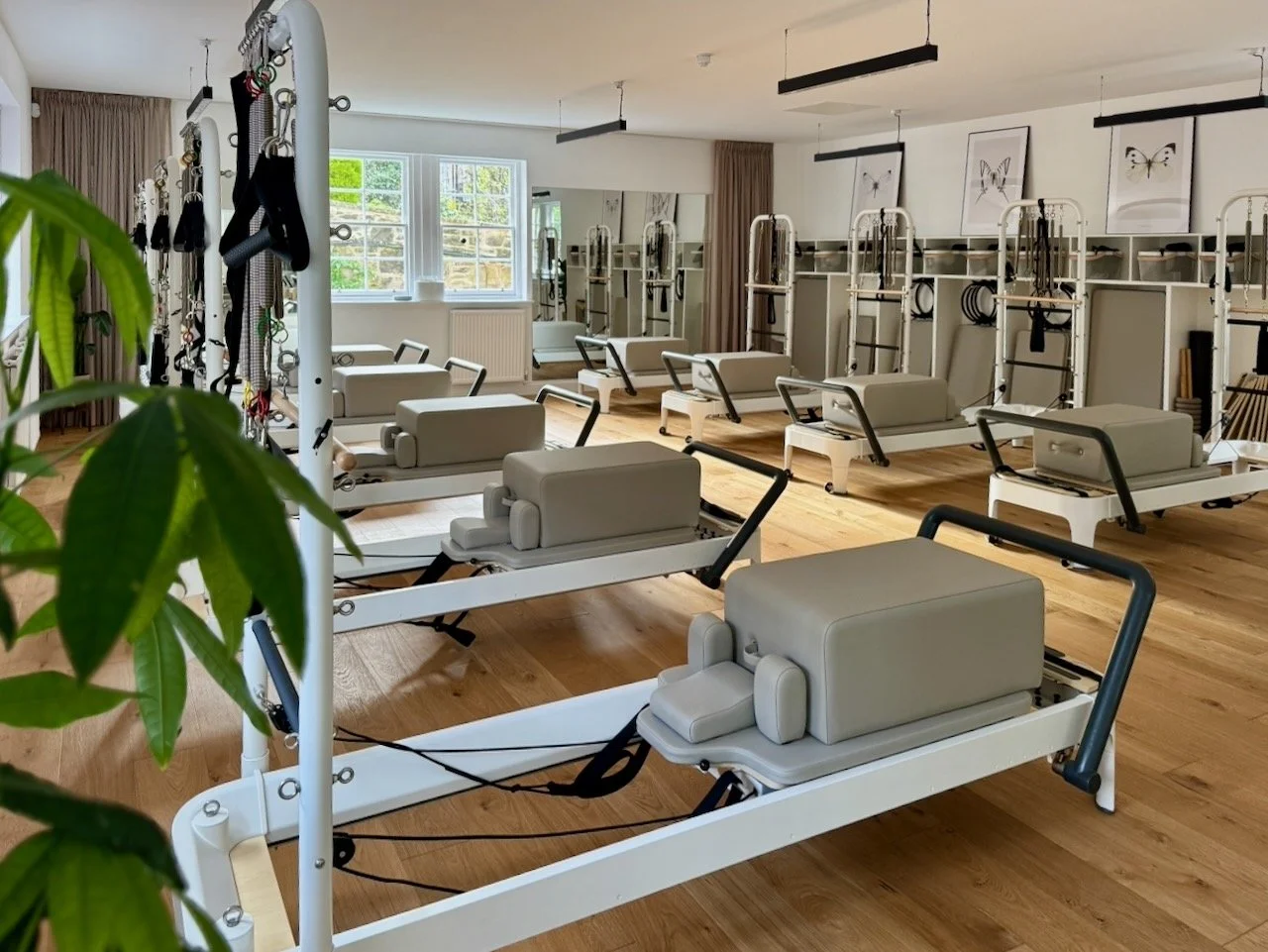
Studio A at Luma Pilates, Edinburgh New Town. Space, light, and room to actually move
Short answer
Class size, instructor quality, hands-on correction, and whether the studio has a genuine community around it. Most people don't know to look for these things before they start. Most people wish they had.
Most people choose a Pilates or fitness studio the way they choose most things: proximity, price, availability, and whatever looks good on Instagram. That's a reasonable starting point. It isn't a complete one.
The principles in this guide apply across everything we offer at Luma: Reformer Pilates, Mat, Barre, and Yoga. But they matter most acutely in Reformer Pilates, where the equipment is complex, the practice builds over years, and the quality of instruction has the most direct effect on what you get out of it.
I came to Pilates in my mid-fifties with no movement background and no strong opinions about studios. I now co-found and teach at one, and I've watched enough people start, thrive, and occasionally leave to have a clear view of what makes a studio worth committing to. Here's what I'd look for.
Class size
This is the single most important variable, and the one most studios have the strongest financial incentive to ignore.
A Reformer Pilates class isn't a gym floor. The Reformer is a complex piece of equipment, the exercises require precise setup and individual adjustment, and the practice depends on your instructor being able to see what you're doing and respond to it. None of that is possible at scale.
Some studios in Edinburgh run classes of fourteen, sixteen, or more. At those numbers, your instructor is managing a room, not teaching a practice. They can't see your form on every movement. They can't give you a correction when you need one. They can't adapt an exercise to your body in real time. You're functionally following along rather than being taught.
At Luma, Reformer/ Tower classes are capped at ten. That's a deliberate decision with a real cost attached to it in every case. A class of ten is less profitable per session than a class of fifteen. We made the choice because the alternative isn't really teaching.
It's worth saying that ten Reformers in Studio A doesn't feel crowded. The studio was designed with generous spacing between machines, good natural light, and enough room that clients aren't working on top of each other. The cap isn't a concession to the space. It's a concession to the practice.
If you're comparing studios, ask how many people are in a typical class. If the answer is much above ten, factor that into what you're actually paying for.
Instructor quality
Pilates teaching is not a statutorily regulated profession in the UK, which means there is no single legally required Pilates qualification that every instructor must hold. The range and depth of training across the industry varies considerably, and that is not always obvious from the outside.
Comprehensive training programmes such as BASI involve substantial study across anatomy, movement, observation, self-practice and student teaching, together with formal assessment. Other qualifications may focus more narrowly on a single piece of equipment, such as the Reformer, and can be completed in a much shorter period. Those routes are not necessarily interchangeable, and an instructor may also bring relevant knowledge from other qualifications or professional experience.
This matters because good Pilates teaching is not simply about leading a sequence of exercises. It is about understanding how to adapt movement to the individual in front of you: recognising when someone is compensating, modifying an exercise around a physical limitation, and knowing when something falls outside your own scope and should be referred to a physiotherapist or other healthcare professional.
At Luma, Lucia Poulter holds Comprehensive BASI certification and has 26 years of teaching experience. When you are assessing a studio, it is entirely reasonable to ask about an instructor's training, experience and scope of practice. A studio that is confident in its instructors should be happy to answer those questions clearly.
Hands-on correction
This is something new clients at Luma mention consistently, often in the first few weeks. They notice that they're being corrected, that their instructor is watching them specifically, and that the corrections are changing how they move. Sometimes they mention that a previous studio didn't do this.
Hands-on and verbal correction in a Pilates class isn't a bonus feature. It's the mechanism by which the practice actually works. Pilates develops body awareness precisely because an instructor helps you feel the difference between a movement done well and a movement done approximately. Without that feedback, progress is slower, compensations go unchecked, and the practice produces less than it should.
There are reasons some studios don't correct much. Class sizes that make it logistically impossible. Instructors who aren't confident enough in their anatomy to correct with precision. A culture that prioritises a smooth, uninterrupted flow over individual attention. None of these are good reasons from your perspective as a client.
When you try a class at a new studio, notice whether your instructor watches you specifically, whether they offer corrections or modifications, and whether they know your name by the end of the session. These aren't small things. You can read more about how Luma approaches correction-led teaching on Our Approach page.
A clear progression pathway
Reformer Pilates has levels for a reason. The practice builds, and the building is where most of the value lives. A studio that doesn't have a structured progression pathway, or that moves clients through levels without clear criteria, is leaving a significant part of the practice on the table.
What to look for: a defined entry point for new clients, clear levels with meaningful differences between them, and instructors who can tell you where you are in the progression and why. The conversation about when to move up should be initiated by your instructor, not left to you to figure out.
At Luma, all new Reformer clients begin with Reformer Fundamentals as their starting point. If you have significant prior Reformer experience, get in touch before booking and we'll advise on the right entry level for you. The progression runs through Fundamentals Progressing, Reformer 1, 2, and 3, with each level building on the last. See our guide to how to progress through the Luma class levels for a full breakdown.
Community
This one is harder to assess before you join, and easier to undervalue until you experience it.
A studio with a genuine community around it changes the relationship you have with your practice. When you know the people in your class, when you have a reason to show up that goes beyond the workout itself, consistency follows. And consistency, more than any other variable, is what determines whether Pilates produces results for you.
Community isn't manufactured by a studio putting the word on its website. It shows up in whether the instructor knows your name, whether clients talk to each other before and after class, whether the studio creates occasions for people to connect outside of sessions.
At Luma we run a monthly community event that has become something clients genuinely look forward to. It started small and has grown because people wanted it to. That's the kind of thing that's hard to fake and easy to notice when it's real.
If community matters to you, ask about it when you visit. Watch how people interact. Notice whether the studio feels like somewhere to land, or just a service.
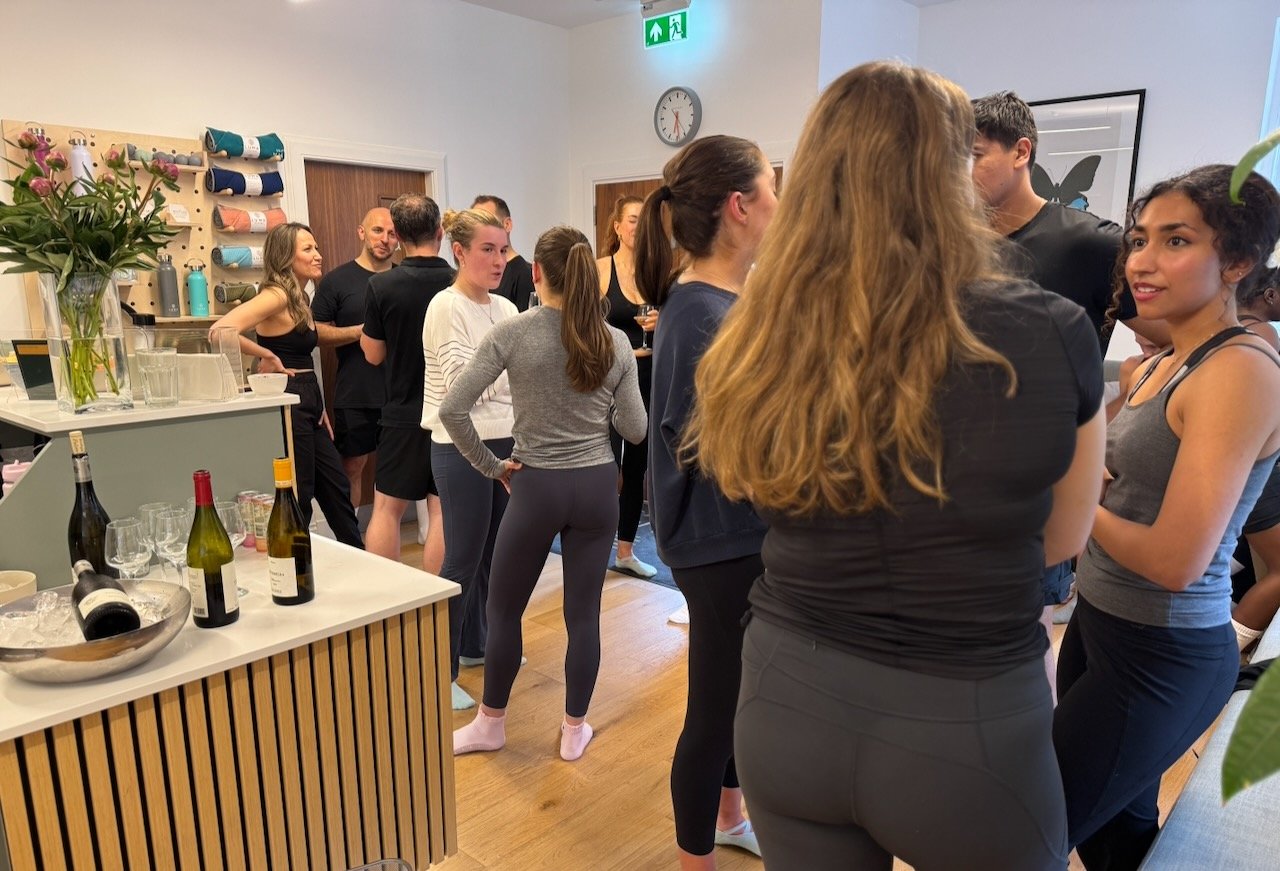
First Fridays at Luma Pilates. A monthly event that started small and has grown because clients wanted it to
What to ask before you book
A few practical questions worth raising with any studio you're considering:
How many people are in a typical class? Anything significantly above ten is worth questioning.
What qualifications do your instructors hold? Look for comprehensive training programmes rather than short courses.
Do instructors give hands-on corrections in class? The answer should be yes, with appropriate consent.
What's the entry point for new clients, and how does progression work? There should be a clear answer.
Is there a trial offer? Most good studios offer one. At Luma, new clients can try three Reformer or Tower classes for £48, or three Mat, Barre, or Yoga classes for £30. You can see all our Reformer Pilates classes and levels here. It's enough to move past the unfamiliar and make an informed decision.
Frequently asked questions
How do I know if a Pilates instructor is properly qualified? Ask about their training directly. Comprehensive programmes like BASI involve several hundred hours of study and supervised teaching. Short courses can be completed in a weekend. A studio confident in its instructors will answer this question clearly.
What's a good class size for Reformer Pilates? Up to ten is the range that allows an instructor to give genuine individual attention. Above that, the quality of instruction per client diminishes noticeably.
Is Reformer Pilates regulated in the UK? Not yet. Anyone can call themselves a Pilates instructor regardless of training, which makes it worth asking about qualifications directly rather than assuming them.
How do I know if a studio is right for me? Try it. Most good studios offer an introductory offer that gives you enough sessions to make an informed assessment. Pay attention to whether your instructor knows your name, whether you receive corrections, and whether the class size allows for individual attention.
What makes Luma different from other Reformer Pilates studios in Edinburgh? Reformer classes capped at ten, comprehensively trained instructors, hands-on correction in every session, a structured progression pathway, and a community that extends beyond the studio floor. We're also honest about the fact that we're not the cheapest option in Edinburgh, and clear about why.
Written by Max Howarth
Max is co-founder of Luma Pilates. He spent years as a client before becoming an instructor, which means he has sat on both sides of the question this article tries to answer. His view: the studio you choose matters more than most people realise, and the things that make a real difference are rarely the ones in the brochure.