Postnatal Pilates in Edinburgh: Returning to Movement After Birth
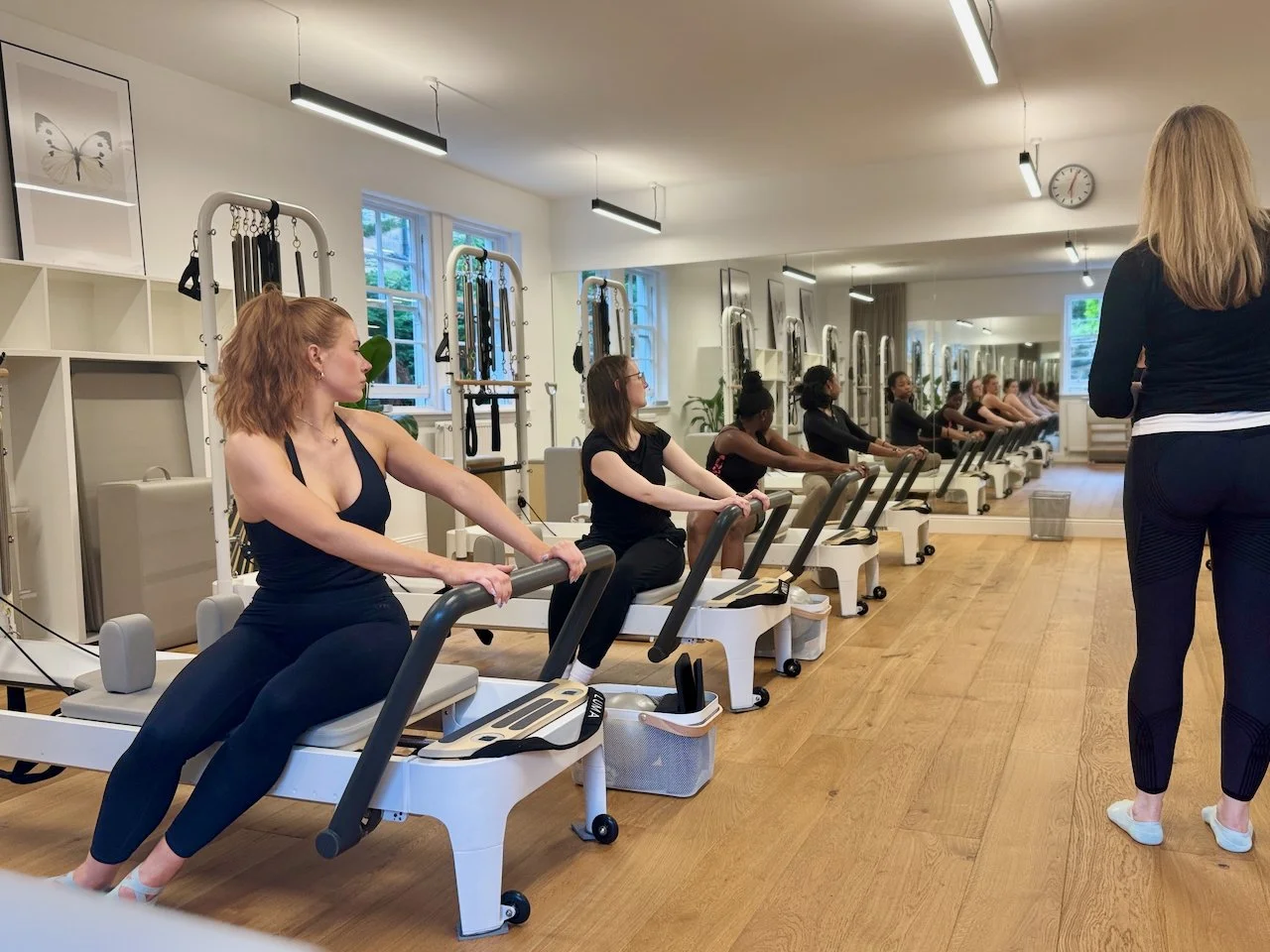
A Reformer class at Luma Pilates in Edinburgh's New Town. Classes are kept small so every client gets individual attention throughout
Short answer
Six weeks is often treated as a milestone, but it is not the same as being ready for structured exercise. The timeline for returning depends on how you gave birth, how your recovery is going, and what your body is telling you. A proper postnatal assessment, ideally with a women's health physiotherapist, is the right first step before returning to any structured exercise programme.
At Luma, postnatal Pilates is available as private 1:1 sessions with Lucia Poulter, who has worked with postnatal clients throughout her 26 years of teaching. Postnatal Yoga is available with Kat Aydin, who holds specialist certification in Prenatal and Postnatal Yoga alongside qualifications in Restorative Yoga, Yin Yoga, Vinyasa, Yoga for Perimenopause and Menopause, and Qi Gong for Yoga Teachers. Always get clearance from your midwife, GP, or women's health physiotherapist before starting.
In this guide
- Why postnatal recovery takes longer than you expect
- What the six-week check does and doesn't tell you
- Returning after a vaginal birth
- Returning after a caesarean
- Diastasis recti: what it is and what to do
- Pelvic floor recovery
- Where postnatal Yoga fits in
- What we offer at Luma
- A note on medical clearance
- Frequently asked questions
Why postnatal recovery takes longer than you expect
Birth is one of the most significant physical events a body goes through. Whatever form it takes, the aftermath involves healing tissue, a dramatically changed hormonal environment, disrupted sleep, and a body that is still under significant load. Not from pregnancy, but from feeding, carrying, and caring for a newborn.
The deep stabilisers, the pelvic floor, transversus abdominis, multifidus, and diaphragm, have all adapted significantly during pregnancy and benefit from a gradual return to load and coordination after birth. The linea alba, the connective tissue running down the midline of the abdomen, has stretched considerably and needs time and appropriate loading to regain its function.
This is not a reason to avoid movement. After a straightforward birth, gentle walking, breathing exercises and pelvic floor work can often begin as soon as you feel comfortable. More complicated births may require a slower or more individual progression.
What the six-week check does and doesn't tell you
The six-week postnatal check exists to assess your general recovery and identify any complications. It does not assess your readiness to return to structured exercise. Most six-week checks take ten minutes. They do not include an assessment of pelvic floor function, abdominal wall integrity, or load tolerance.
Six weeks is often when women are told everything looks fine and that they can return to exercise. This is not the same as being cleared for a Pilates class, a run, or any other activity that places demand on a body that is still in early recovery. Many women are not ready for structured exercise at six weeks, and return may be several weeks later depending on symptoms, healing, and assessment.
The most useful step before returning to exercise is an assessment with a women's health physiotherapist. They can assess your pelvic floor directly, identify any diastasis recti, and give you a genuinely informed starting point. If that is not accessible to you, starting with private sessions rather than group classes allows the work to be built entirely around where you are.
Returning after a vaginal birth
For most women with an uncomplicated vaginal birth and no significant perineal trauma, gentle pelvic floor work and breathing exercises can begin within the first few days. Walking can increase gradually over the first two to three weeks.
Returning to structured Pilates, whether group or private, depends on how recovery is progressing. Many women are not ready at six weeks, and it is common for several more weeks to pass before the body is genuinely ready for structured load. Starting with private sessions allows the work to be built around where you are, rather than fitting you into a class that was not designed for your specific recovery.
If you had a significant perineal tear, an episiotomy, or any ongoing symptoms including heaviness, leaking, or pain with movement, a women's health physiotherapy assessment before returning to exercise is strongly advised.
Returning after a caesarean
A caesarean is major abdominal surgery involving multiple layers of tissue. The recovery is longer than after a vaginal birth, and the timeline for returning to load-bearing exercise should reflect that.
Gentle walking can usually begin early in recovery, building distance and pace gradually according to comfort. Returning to structured Pilates is something to approach carefully and progressively, with guidance from a women's health physiotherapist where appropriate. There is no universal timeline. What matters is that the work is built around your actual recovery, not a fixed number of weeks.
Scar care, once the wound is fully healed, can make a meaningful difference to how the tissue moves and how it affects surrounding areas. How and when to begin should be guided by a qualified professional, ideally a women's health physiotherapist who can assess the scar directly.
In Pilates sessions, any exercise that creates pulling, pain, or pressure at the scar site is modified or removed. The deep abdominal work is approached gradually, with close attention to how the tissue is responding. There is no value in rushing this.
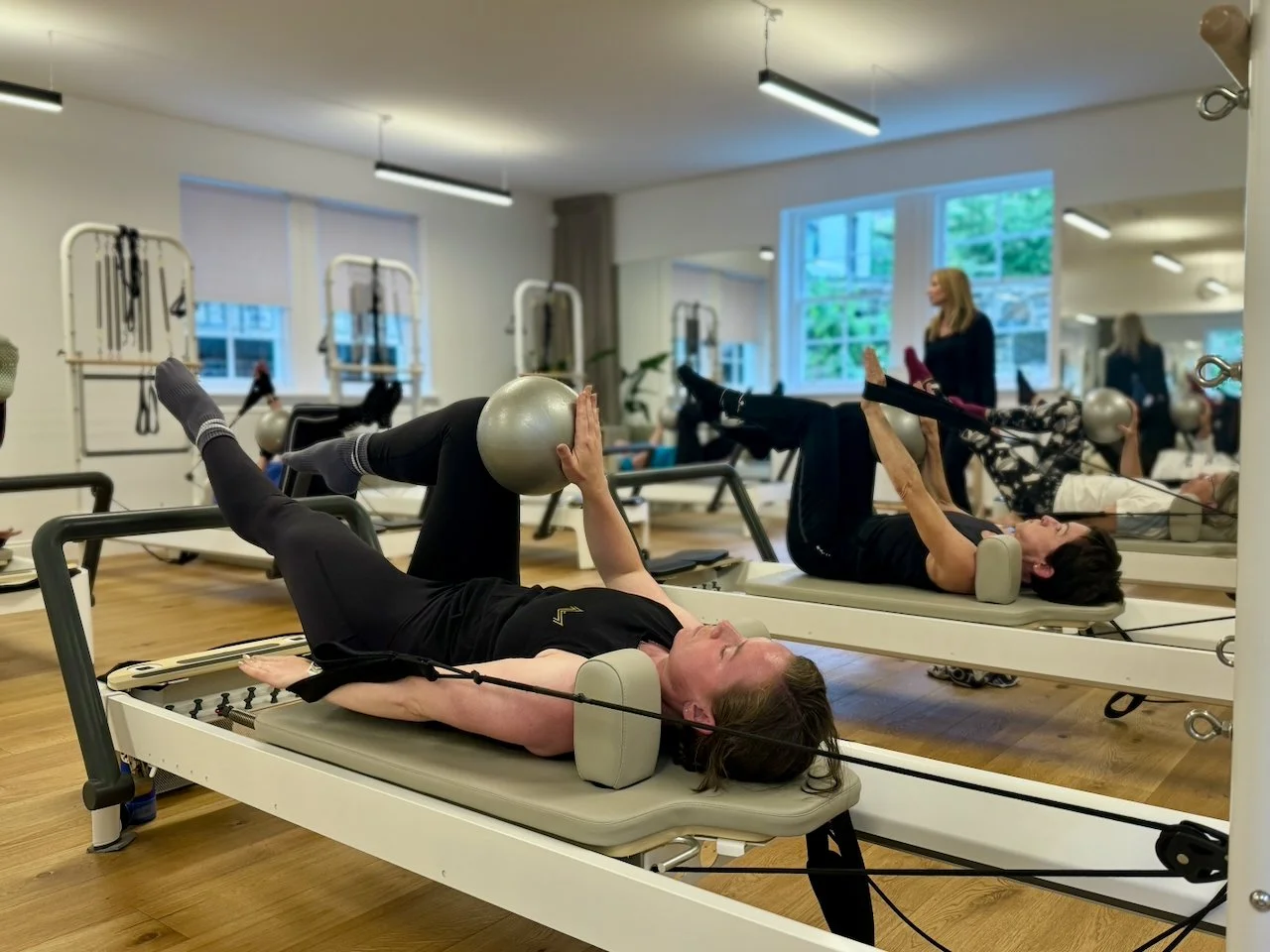
A Reformer class at Luma Pilates, Edinburgh. Low-load, controlled movement is the foundation of postnatal Pilates
Diastasis recti: what it is and what to do
Diastasis recti is a separation of the rectus abdominis muscles at the midline, which occurs to some degree in the majority of pregnancies. It is not a tear or an injury. It is a normal adaptation to the growing uterus, and often reduces naturally during postnatal recovery.
What matters is not the gap itself but the function of the connective tissue at the midline. A linea alba that can generate tension and transfer load adequately is what you are working toward, regardless of the width of the gap. Self-testing at home can give you a rough sense of the gap, but it does not assess how well the abdominal wall is managing load, which is the more important question.
In Pilates sessions, diastasis is managed by adjusting exercises where doming, pressure, discomfort or other symptoms suggest that the current load is not being managed well, and by building load progressively as function improves. A good instructor will check for this and adjust accordingly. If you know or suspect you have a significant diastasis, mention it before your first session.
Pelvic floor recovery
The pelvic floor has been under load for the duration of pregnancy and, for women who have had a vaginal birth, through the mechanical demands of delivery. Recovery is not simply a matter of doing pelvic floor exercises. It involves rebuilding the full cycle of engagement and release, restoring coordination with breath and movement, and progressively increasing load tolerance.
Symptoms including leaking with impact, urgency, heaviness, or pelvic pain are signs that the pelvic floor is not yet ready for the load being placed on it. They are also, importantly, not things to simply wait out. A women's health physiotherapist can assess and treat pelvic floor dysfunction directly. Exercise, including Pilates, works alongside that treatment, not as a substitute for it. See our guide to Pilates and physiotherapy for more on how the two work together.
At Luma, pelvic floor awareness is incorporated where relevant throughout the work. In postnatal sessions specifically, it forms the foundation of the early work before anything more demanding is introduced.
Where postnatal Yoga fits in
The postnatal period asks a great deal of the nervous system. Sleep deprivation, the emotional demands of new parenthood, and a body that is simultaneously healing and under constant physical demand create a context in which restorative practice is not a luxury. It is genuinely useful.
Postnatal Yoga addresses dimensions of recovery that Pilates approaches less directly: breath work, slower pacing, supported positions, and genuine rest. For many women, Pilates and Yoga together offer a more complete approach to postnatal recovery than either practice alone.
At Luma, Kat Aydin offers private postnatal Yoga sessions. Kat holds specialist certification in Prenatal and Postnatal Yoga, alongside qualifications in Restorative Yoga, Yin Yoga, Vinyasa, Yoga for Perimenopause and Menopause, and Qi Gong for Yoga Teachers. Her approach is individual and tailored, built around where you are in your recovery rather than a fixed programme.
What we offer at Luma
Postnatal Pilates at Luma is available as private 1:1 sessions with Lucia Poulter. Lucia holds Comprehensive BASI certification and has worked with postnatal clients throughout her 26 years of teaching. Private sessions cost £90 for 50 minutes and £135 for a 1:2.
Postnatal Yoga is available as private sessions with Kat Aydin. Private Yoga sessions cost £100 for a 60-minute 1:1 and £140 for a 1:2.
For women who are further along in their recovery and would like to join group classes, we ask that you get in touch before booking so we can advise on the most suitable class and make sure your instructor is briefed. Reformer Fundamentals is where most postnatal clients returning to group classes begin, regardless of prior experience.
A note on medical clearance
This guide is written for women with uncomplicated postnatal recoveries. If you have been advised to restrict exercise, if you are experiencing ongoing pelvic floor symptoms, significant diastasis, wound complications, or any other condition affecting your recovery, please speak to your midwife, GP, or women's health physiotherapist before starting any structured exercise programme.
We ask you to seek appropriate medical guidance where needed; our responsibility is to listen carefully and adapt the work accordingly.
Frequently asked questions
When can I return to Pilates after having a baby?
Six weeks is often treated as a milestone, but it is not the same as being ready for structured exercise. Many women are not ready at six weeks, and return may be several weeks later depending on symptoms, healing, and assessment. A women's health physiotherapy assessment before returning to exercise gives you a genuinely informed starting point.
Is Reformer Pilates safe after a caesarean?
Yes, with appropriate modifications and an instructor who knows your history. The abdominal work is approached gradually, any exercise that creates pulling or pressure at the scar site is modified or removed, and the overall load is built progressively. There is no value in rushing the early sessions.
What is diastasis recti and will Pilates make it worse?
Diastasis recti is a separation of the abdominal muscles at the midline that occurs in the majority of pregnancies. Pilates can usually be adapted safely, but some exercises may need modifying if they increase doming, pressure, discomfort, or symptoms. Tell your instructor if you know or suspect you have a significant diastasis.
I'm still breastfeeding. Can I do Pilates?
Yes. Breastfeeding is not a reason to avoid Pilates. You may still be managing fatigue, hydration needs, and ongoing postnatal changes, so tell your instructor how you are feeling and modify as needed.
How is postnatal Pilates different from a regular class?
In the early postnatal period, the work is lower load, more focused on reconnection and breath coordination, and more attentive to the specific considerations of postnatal recovery: pelvic floor function, abdominal wall integrity, scar tissue if relevant, and the overall fatigue that comes with new parenthood. Private sessions are recommended initially so the work can be built entirely around where you are.
Can I do Pilates and Yoga together after birth?
Yes, and many clients find that combining both offers something more complete than either practice alone. Pilates focuses on rebuilding strength, coordination and confidence with load, including the abdominal wall and pelvic floor where relevant. Yoga adds breath work, slower pacing, supported positions and genuine rest.
How do I book a postnatal session at Luma?
Get in touch via the contact page and tell us where you are in your recovery. We will advise on the most suitable starting point, whether that is a private Pilates session with Lucia, a private Yoga session with Kat, or joining a group class when the time is right.
Written by Lucia Poulter
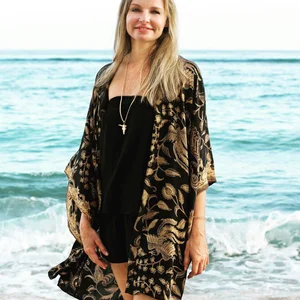
Lucia is co-founder and lead instructor at Luma Pilates, and has been teaching Pilates for 26 years. She holds Comprehensive BASI certification and has worked with postnatal clients throughout her career, often alongside their physiotherapists and midwives. Her approach is straightforward: meet the body where it currently is, and build from there.