
Is Reformer Pilates Worth It?
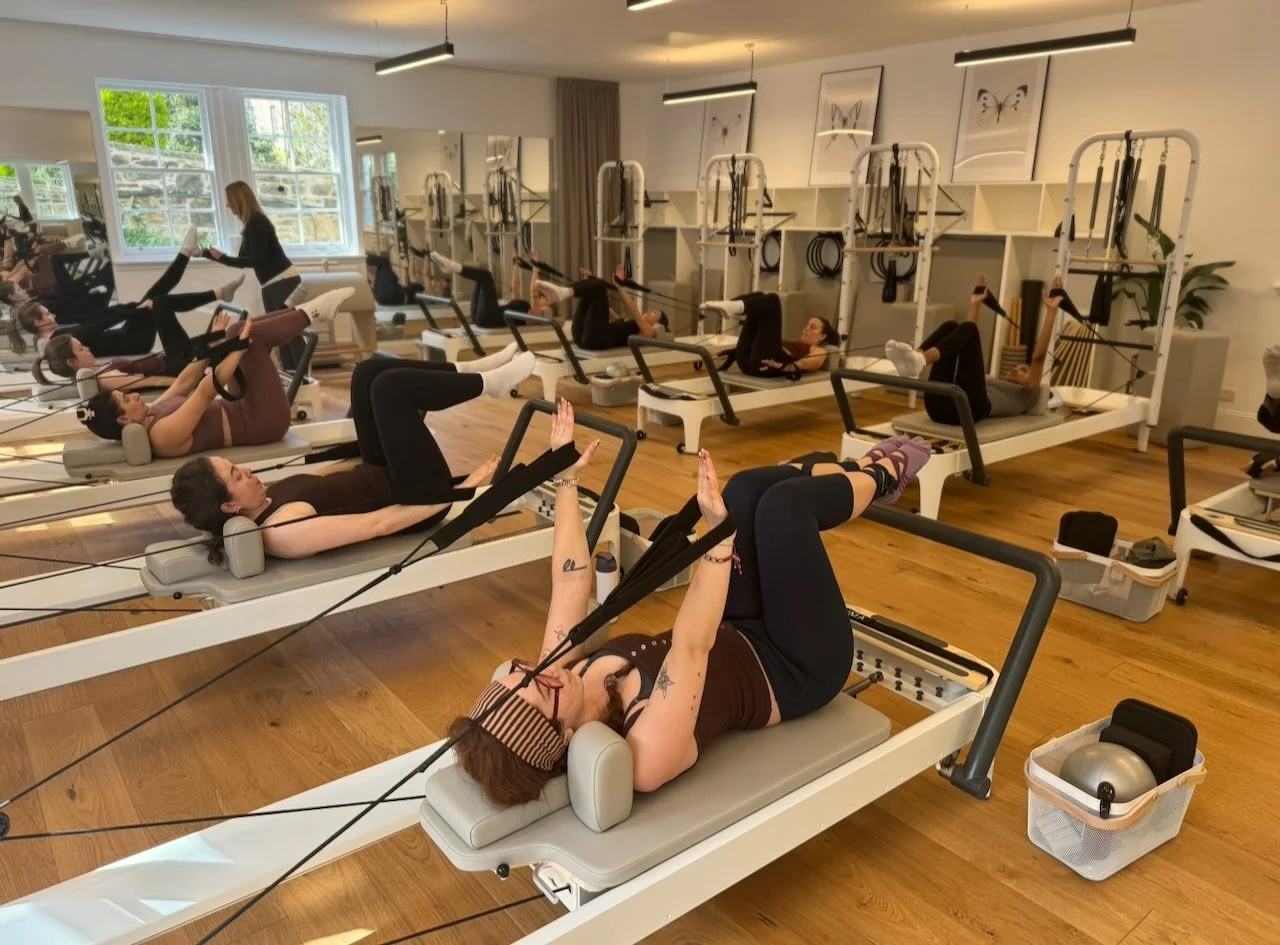
A small-group Reformer class at Luma. Expert instruction is built into every session
Short answer
Yes, consistently and for a wide range of people. The caveat is that it requires consistency. Within four to six weeks of two sessions per week, most clients notice less tension in the neck and upper back, stronger deep abdominals, and improved posture in everyday life. The practice compounds the more regularly you come.
What you’re actually paying for
A single Reformer Pilates class at Luma in Edinburgh costs £30 as a drop-in, or from £19 per class on a 12-month subscription. That’s more than a gym visit and less than a personal training session. Understanding what sits in between those two things helps explain the price.
The Reformer itself is a significant piece of equipment. Each machine at Luma costs several thousand pounds, requires regular maintenance, and takes up considerably more space than a mat. The studio is purposefully small, which means class sizes are kept small too. At Luma, that is not incidental. It’s the point. Your instructor can see you, cue you, and adjust what you are doing in real time. That level of attention is built into every class.
Each session at Luma is taught by a qualified instructor with genuine expertise in their discipline. Lucia Poulter holds Comprehensive BASI certification and has 26 years of teaching experience. Anna Marchington trained at The Pilates Center in Boulder, Colorado and has over 20 years of experience. You are not paying for a class. You are paying for that level of knowledge applied to your body, in every session.
How it compares to the gym
A gym membership in Edinburgh typically costs between £30 and £80 per month, which works out at considerably less per session than Reformer Pilates. But the comparison is not straightforward.
A gym gives you access to equipment and space. What you do with it depends on what you know. Most people who train in the gym without a coach develop imbalances, ingrain poor movement patterns, and plateau within a year or two. Progress requires either coaching or a significant investment of time in self-education.
Reformer Pilates is coached by default. Every class is a guided session with a qualified instructor. The programming is built for progressive development, and your instructor adjusts the work to your body. Many of our clients find that their gym training improves significantly once they start Reformer Pilates, because they are no longer limited by the movement quality gaps that were holding them back.
See our full comparison in Reformer Pilates vs gym workouts.
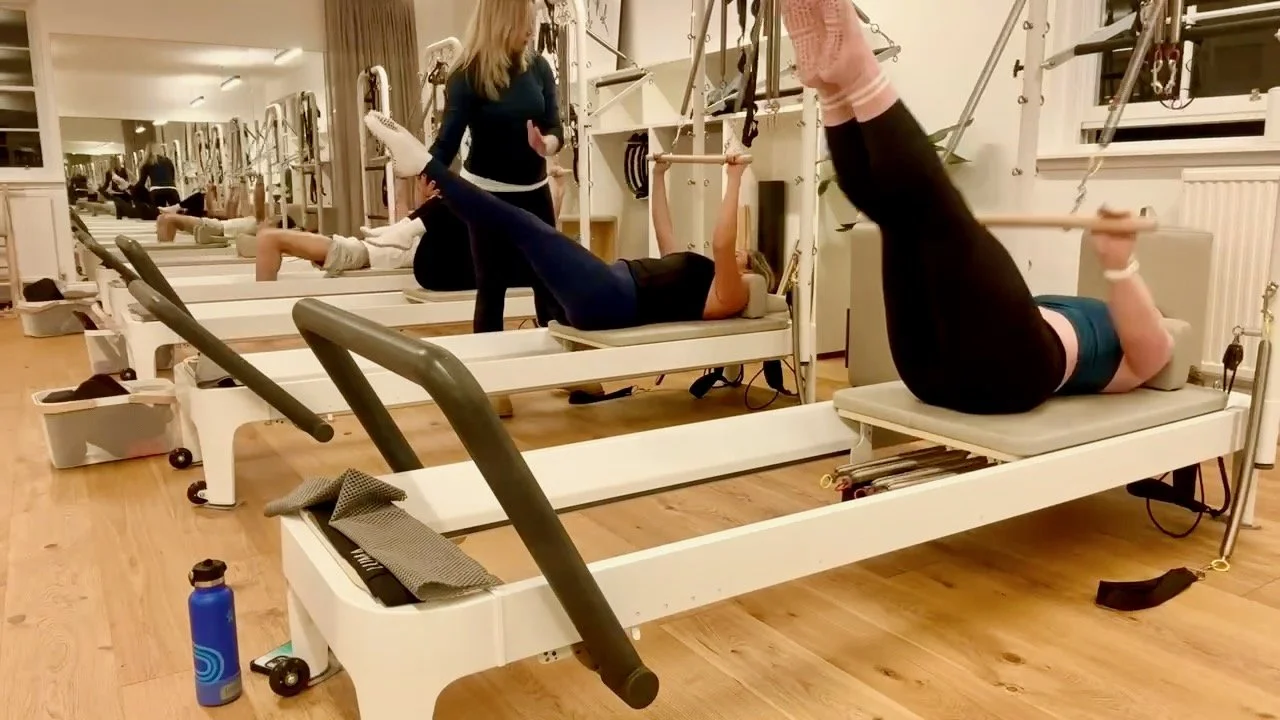
Lucia cueing a client in a small group Pilates class
What to expect in the first few weeks
The first class is usually a surprise. Most new clients expect something gentle and leave having worked harder than anticipated. The muscles that are most challenged tend to be the ones that conventional exercise overlooks: the deep spinal stabilisers around the hips and spine, and the shoulder girdle. Read our guide on what to expect in your first class.
By the third or fourth class, the movement vocabulary starts to feel more familiar. Clients begin to understand what their instructor is asking for, and the practice starts to feel like theirs. Most people who make it to their fourth class keep coming back.
Our introductory offer of 3 Reformer or Tower classes for £48 is designed around exactly this window. Three sessions is enough to get past the unfamiliar and start feeling what the practice genuinely does.
What consistent practice produces
The question of worth ultimately comes down to what changes. The research backs this up. Systematic reviews of Pilates including studies published on PubMed have found consistent improvements in muscular strength, balance, flexibility, and functional movement across a range of participants. A 2015 Cochrane review found Pilates to be more effective than minimal intervention for musculoskeletal outcomes. For healthy adults, RCTs have shown measurable gains in core strength and postural control within eight weeks of twice-weekly sessions. What our clients report is consistent with what the evidence shows. Here’s what our clients report consistently, across different ages, backgrounds, and starting points.
Within four to six weeks of two sessions per week: less tension in the neck and upper back, improved awareness of posture during everyday activities, stronger engagement through the deep abdominals, and better sleep in many cases.
Within three months: visible postural change, meaningful strength gains in the posterior chain, reduced frequency of the niggles and injuries that were previously a regular feature of daily life.
Within six months: a practice that feels genuinely sustaining. Clients who reach this point rarely stop. The practice has become part of how they function, not an add-on to their week.
Lucia Poulter has taught Pilates for 26 years and has watched this arc play out consistently across thousands of clients. In her experience, the six-month point is the one that matters most. By then the practice is no longer something clients are trying. It is something they have. The physical changes are established, the body awareness is habitual, and the question of whether it is worth it has usually answered itself.
Does it change how you look, or just how you feel?
Both, but not in the way people sometimes expect. Reformer Pilates builds lean muscle, improves posture, and increases core and postural strength, and over months that does change body composition and how you carry yourself. It is not designed as a weight loss programme on its own. Clients who combine it with cardiovascular exercise and attention to diet tend to see weight loss alongside the strength gains. Clients doing Reformer Pilates alone tend to see the postural and strength changes first, with body composition changes following more slowly.
Can you get fit just doing Reformer Pilates?
It depends what you mean by fit.
Reformer Pilates can build strength and muscular endurance, develop control and coordination, and take the body through a wide range of movement. If you practise consistently and the exercises are progressed appropriately, it can make a meaningful contribution to your overall fitness.
What it does not necessarily provide is enough aerobic exercise on its own.
UK physical activity guidelines separate muscle-strengthening activity from aerobic activity. Pilates can contribute to the strengthening side of that picture, while activities such as brisk walking, running, cycling, or swimming are more straightforward ways to develop cardiovascular fitness.
That does not make Pilates incomplete or cardio superior. They simply train different things.
Many of our clients use Reformer Pilates alongside running, cycling, swimming, walking, or gym training. The Pilates gives them a structured way to work on strength, movement, and control; their other activity provides a different training stimulus.
So can Reformer Pilates make you fitter? Absolutely. If by "fit" you mean covering the full range of physical activity recommendations, including cardiovascular fitness, it makes sense to combine it with some aerobic activity too.
The honest downsides
Three things are worth knowing before you commit. The cost adds up if you are practising more than once or twice a week, particularly on a drop-in basis rather than a subscription. Class sizes are kept small by design, which means popular time slots book up quickly. And because the focus is on control and precision rather than exhaustion, progress can feel slower in the first few sessions than a higher intensity workout, even though the underlying changes are happening. If you want a clearer sense of what that first stretch actually feels like, our guide on what happens in your first Reformer Pilates class walks through it in more detail. None of these are reasons to avoid it. They are reasons to go in with the right expectations.
Pricing at Luma
Our pricing is available on the prices page. You can also read a more detailed article about Reformer Pilates prices in Edinburgh.
In summary:
Introductory offer: 3 Reformer or Tower classes for £48, or 3 Barre or Yoga classes for £30.
Single classes: £30 for Reformer or Tower, £20 for Barre or Yoga.
Class Packs and Subscriptions offer progressively better value the more frequently you practise. A 12-month subscription at 12 classes per month works out at £19 per class. See our guide to Class Packs vs Subscriptions for help deciding which suits you.
Private sessions start at £90 for a 1:1 and £135 for a 1:2.
Student concessions are available on class packs. Contact us for details.
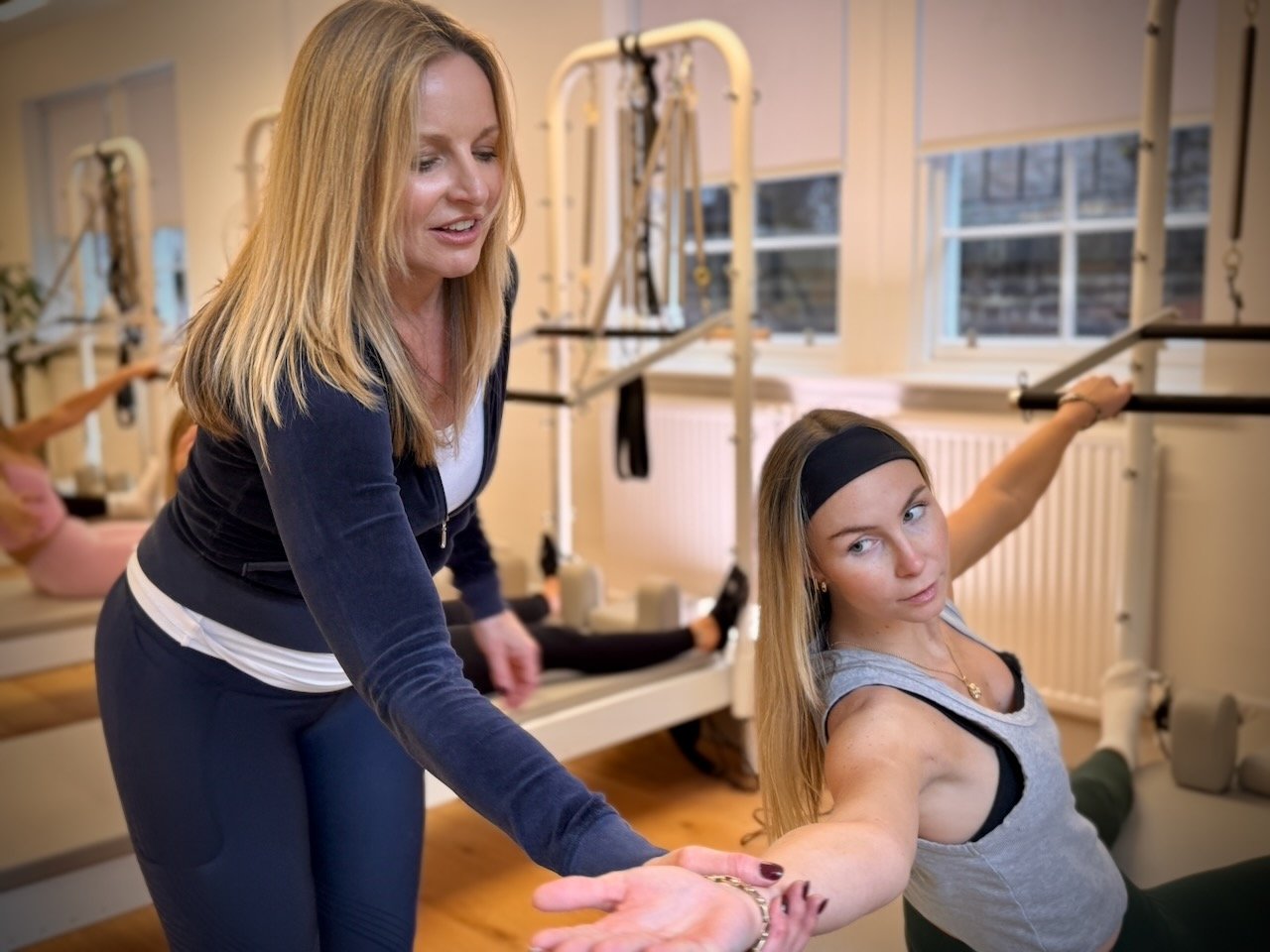
Lucia brings 26 years of teaching experience to every class at Luma
Is it worth it?
Yes. Consistently, and for a wide range of people. The caveat is that it requires consistency. Three sessions spread over three months will not produce the same results as three sessions in three weeks. The practice compounds. The more regularly you come, the faster you feel it, and the more clearly the investment makes sense.
View our class schedule, browse all classes, or get in touch if you would like to talk it through before booking.
Written by Max Howarth
Max is co-founder of Luma Pilates. He came to Reformer Pilates in his fifties with no background in the discipline and no particular expectation that it would change much. It did. He is now in better physical condition than he was at 30 and attributes a significant part of that to consistent practice. He also teaches Reformer classes at Luma. His view on whether it is worth it hasn’t changed since his fourth class.